
The Method · September 23, 2026
A Short List of Powerful Ingredients
I feed my family from a short list on purpose. How a small set of nutrient-dense whole foods, rotated through a few formats, stays balanced without a spreadsheet and never gets boring.
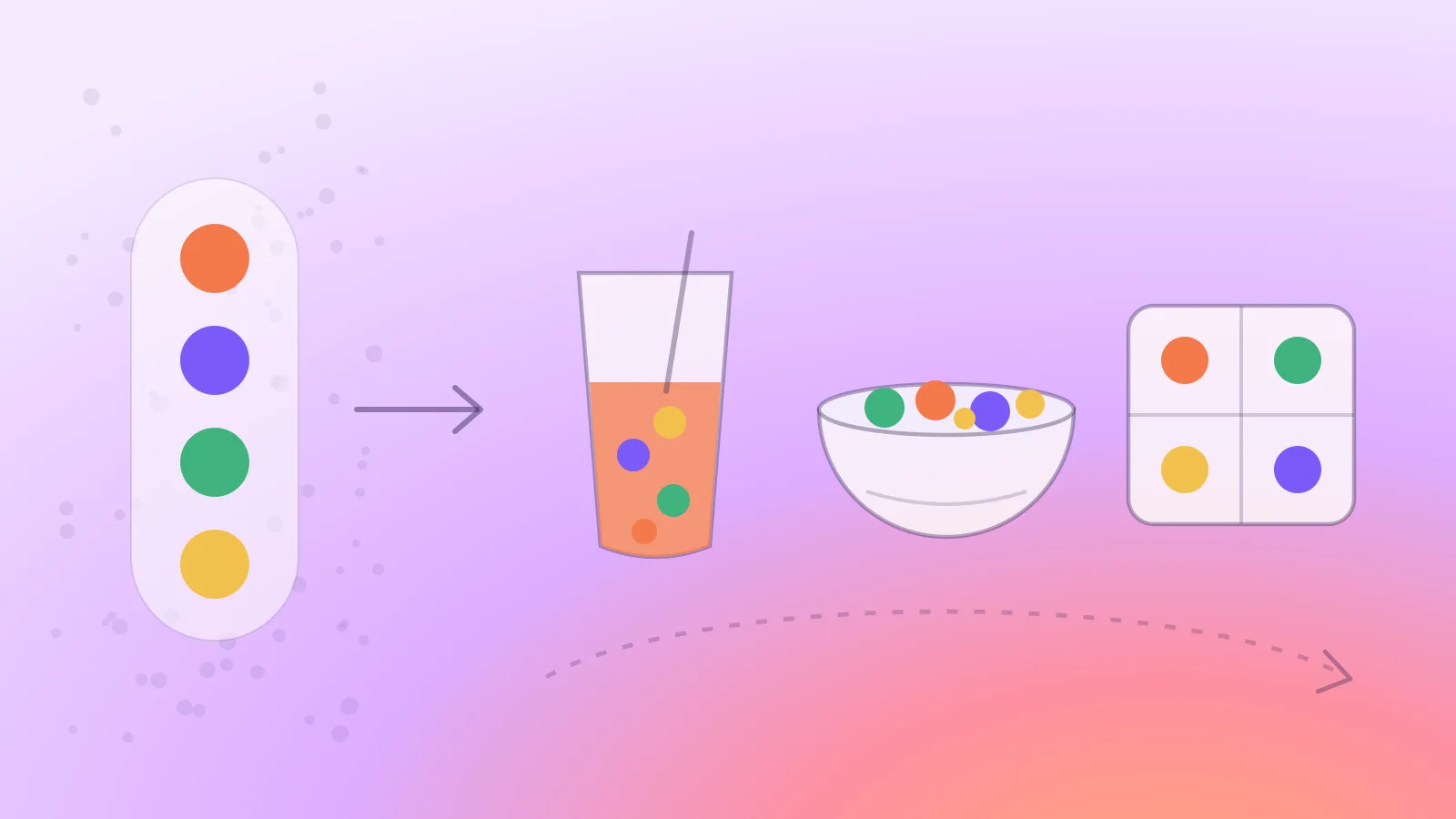
If you looked in my kitchen, you would expect a dietitian's pantry to be enormous. Forty grains, thirty spices, every superfood that has ever been on a podcast. It is the opposite. I feed my family from a short list, and I do it on purpose.
Fewer ingredients, better balance
Most nutrition plans fail on complexity. They hand you a hundred ingredients, a different recipe every day, and a shopping trip that takes two hours. The plan is technically balanced, and practically impossible. By week three you are back to whatever was easiest.
I went the other direction. I picked a small set of the most powerful whole foods I know, the ones that carry the most nutrition per bite, and I learned how to combine them. Cacao. Flax and chia. Steel-cut oats. Berries. Bananas. Avocado. Greens. A few good proteins. Nuts and seeds. That is most of it.
When the list is short, balance is not something you calculate. It is built in. The same handful of ingredients shows up in different combinations, so across a week you get what you need without a spreadsheet, without an app, and without thinking about it. Simple because the list is small. Balanced because it is built that way.
Rotations that hit differently
The trick is not the ingredients. It is the rotation.
My kids will drink a smoothie with cacao, flax, a banana for sweetness, and avocado for the fat that makes it creamy. It tastes like a chocolate milkshake. They have no idea it is one of the most nutrient-dense things they will eat all day. The next morning, the same cacao goes into a bowl of steel-cut oats, and it hits completely differently. Warm, chewy, a different meal entirely. The day after that, the smoothie comes back, but with berries instead of cacao, and it is bright and cold and new again.
Same short list. Three meals that feel nothing alike. That is what keeps a way of eating from getting boring, and boredom is what kills most plans.
Always something to chew
One rule I never break: a smoothie is never alone.
People need to chew. It is not a nutrition fact, it is a human one. A meal you drink does not register as a meal, no matter how much is in the blender, and an hour later you are hungry and confused about why. So every smoothie in my house sits next to something fibrous. A handful of nuts. Sliced apple. A piece of good toast. Something with texture that makes it feel like you ate.
It is a small thing. It is the kind of small thing that decides whether a system lasts.
Formats, not recipes
I think in formats more than recipes. Smoothies. Bowls. Boxes you can pack and carry. Each format takes the same short list and gives it a different shape, and once you know the formats, you stop needing recipes at all. You open the fridge, you see what is there, and you know what to make.
That is the goal for everyone I work with. Not a binder of meals to follow. A short list you trust, a few formats you know by heart, and a rotation that keeps it delicious. The nutrition takes care of itself.